More than half of humanity lives in cities, and that share keeps growing. The city is the one environment humans designed entirely themselves — which is precisely why it turned out to be an environment humans are not biologically adapted to: overheating, noise, polluted air, no living nature in sight. Biophilic urbanism proposes not to "add some greenery" but to redesign the city so that natural systems work as engineering infrastructure — cooling, filtering, retaining water and restoring people.
What a biophilic city is
A biophilic city is one where access to living nature is treated as a basic utility, on a par with water, electricity and transport. Trees, water bodies, soils and biodiversity are not "amenities" here but infrastructure with a measurable function: they lower temperatures, absorb stormwater, clean the air and directly affect residents’ health.
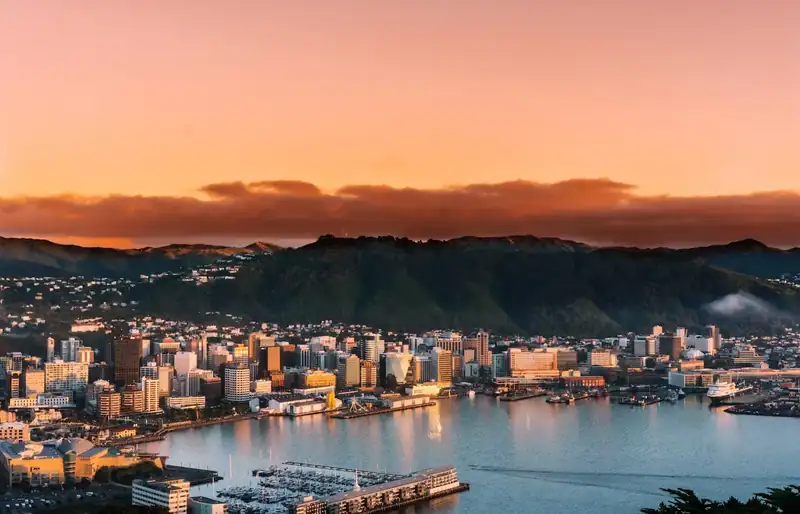
The term goes back to the biophilia hypothesis of the biologist Edward Wilson (1984): humans have an innate affinity for living things and natural forms. An entire school of urban planning grew out of that hypothesis, and since 2013 there has been an international Biophilic Cities network of partner cities from Singapore and Wellington to Birmingham and Oslo.
The 3–30–300 rule
A simple measurable standard for a biophilic city: at least 3 trees visible from every window; tree canopy covering at least 30% of every neighbourhood; no more than 300 metres to the nearest park or green space. Its virtue is that compliance can be checked against satellite imagery and open data rather than against a report.
Six principles
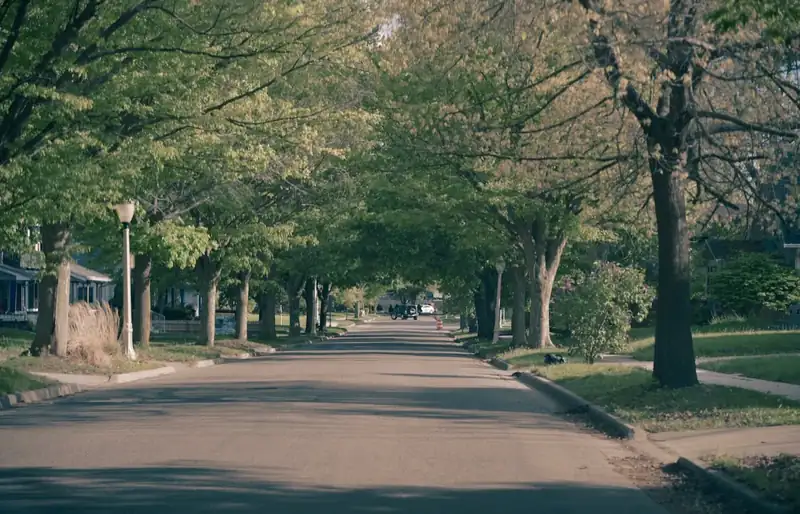
Nature within walking distance
Greenery is distributed across the whole city rather than concentrated in a few showcase parks. The key indicator is not total green area but the distance from a front door to it.
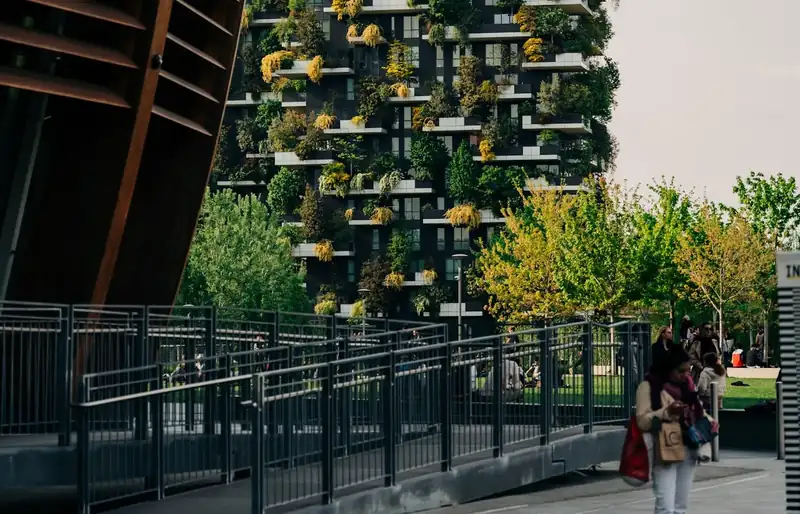
Green roofs and facades
The building becomes part of the ecosystem: a planted roof retains stormwater, reduces heat gain and extends the life of the membrane, while vertical greenery works as a filter and as thermal insulation.
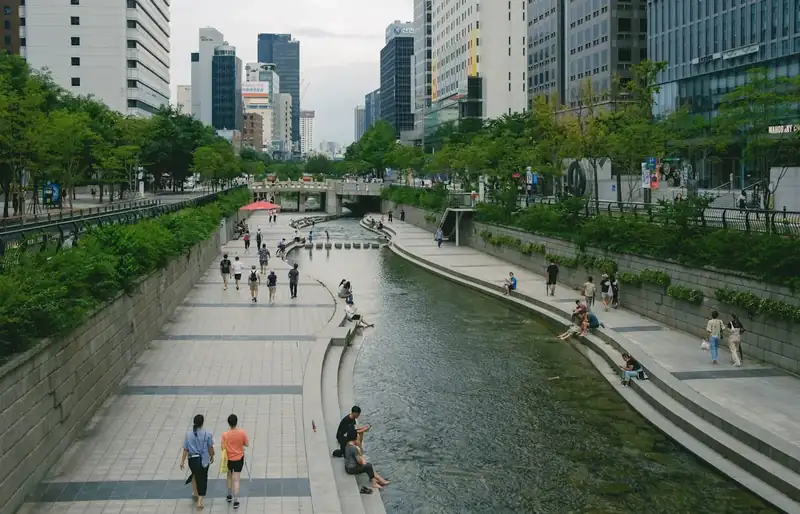
Daylighting rivers and blue infrastructure
Rivers and streams previously buried in culverts are brought back to the surface. Rain gardens, permeable surfaces and retention ponds replace part of the storm sewer and absorb peak loads.

Biodiversity and ecological corridors
Green patches are linked into a continuous network that birds, insects and small animals can move along. An isolated square is ecologically almost useless — connectivity is what works.
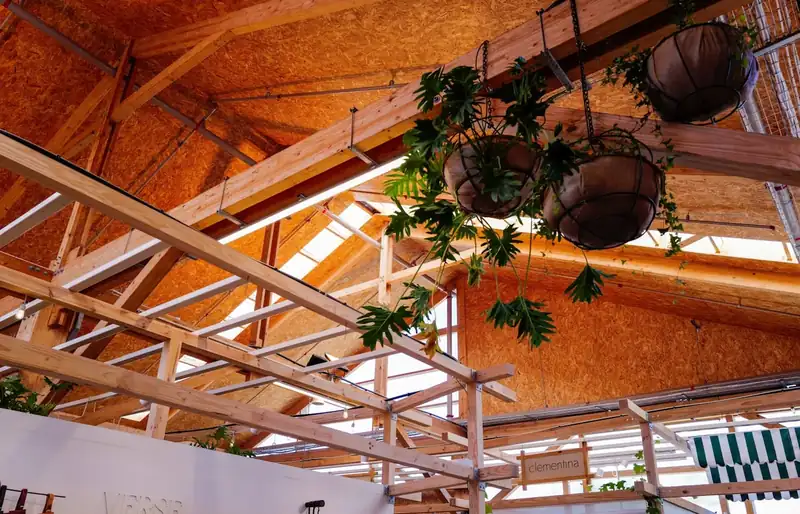
Daylight, forms and materials
Daylight, a view of nature from the window, natural ventilation, wood and stone in the finishes. This is the scale of the individual building, where biophilia affects well-being directly.
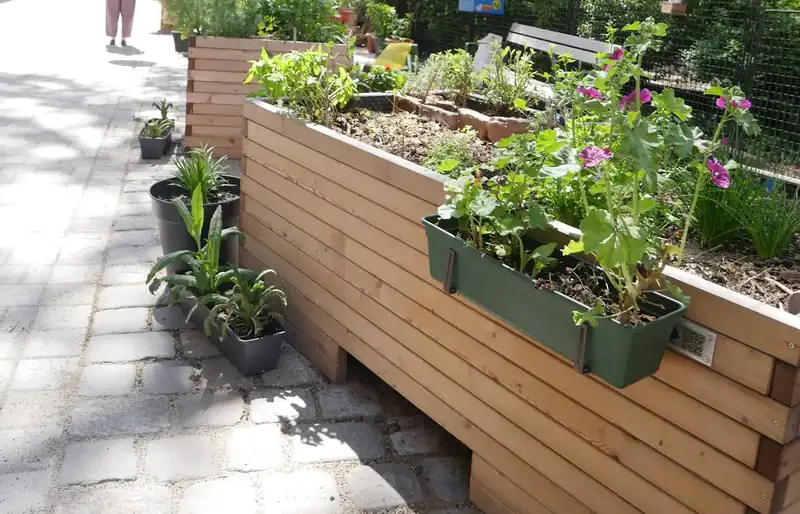
Urban agriculture
Community gardens, school plots, edible landscapes. Beyond food, they provide what an ordinary lawn cannot — resident participation and hands-on care for the territory.
What it delivers
Biophilia is not an aesthetic stance but a set of measurable effects. That is exactly why it fits the logic of planning: every principle has an indicator that can be verified.
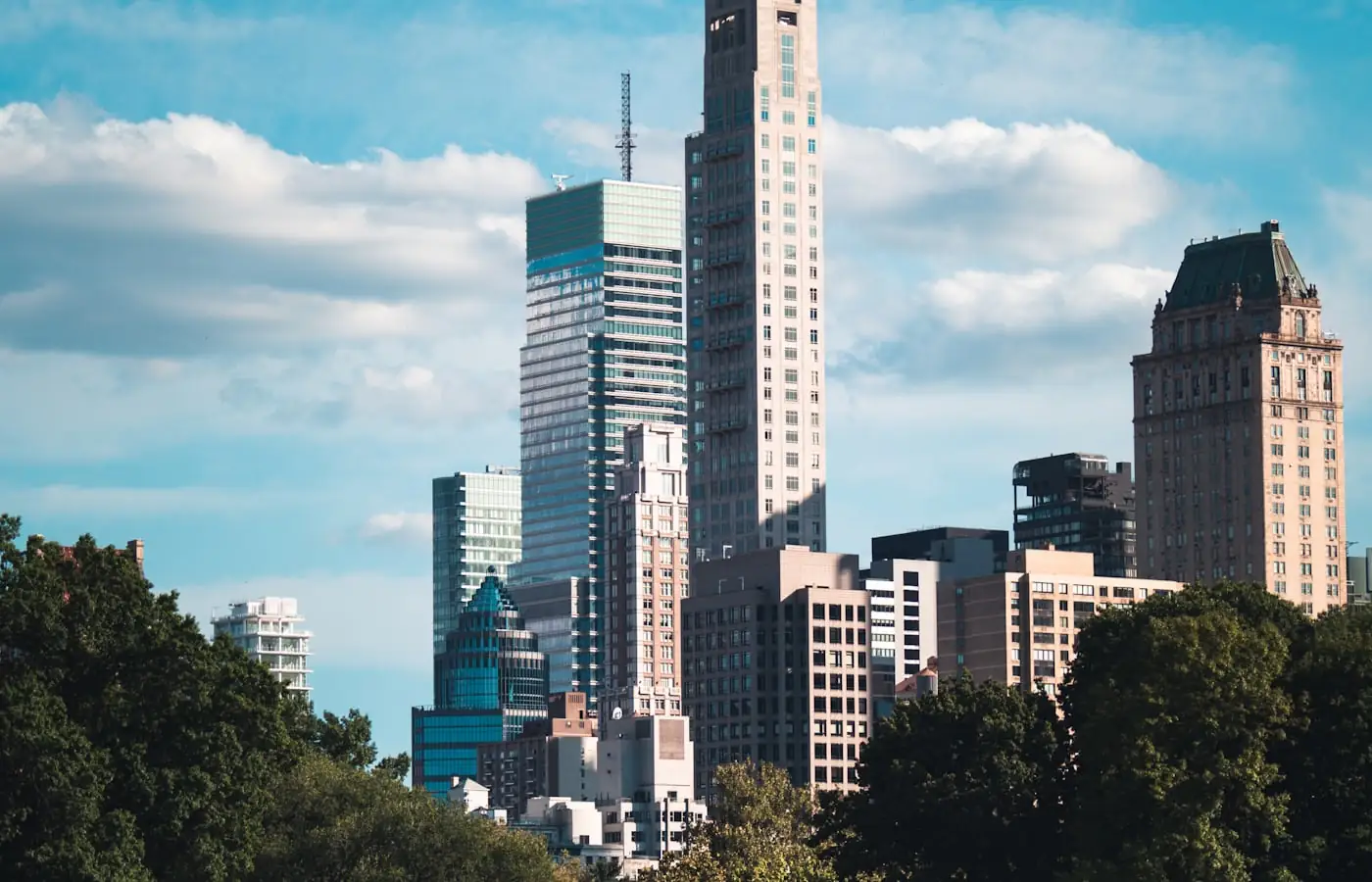
Health and mental well-being
Access to greenery is associated with lower stress levels, better recovery from illness and a lower prevalence of anxiety disorders. For a city budget this is a direct saving on healthcare.
Temperature and the heat island
Trees and water bodies lower air temperature in a neighbourhood by several degrees through shade and evaporation. With heatwaves becoming more frequent, this is a matter of survival for vulnerable groups, not of comfort.
Water and stormwater runoff
Soils, rain gardens and green roofs retain part of the precipitation, reducing peak load on the sewer system and the risk of flooding. Natural infrastructure costs less than concrete and does not need replacing.
Air and biodiversity
Greenery traps part of the particulate matter and noise, while a connected network of habitats brings birds and pollinators back into the city. Importantly, plants do not replace tackling emission sources — they complement it.
The economics of the territory
A high-quality green environment raises property values, retains residents and businesses, and cuts building cooling costs. That same effect generates the main risk — green gentrification.
World cases
None of these projects was "greening for beauty" — each solved a specific engineering or social problem.
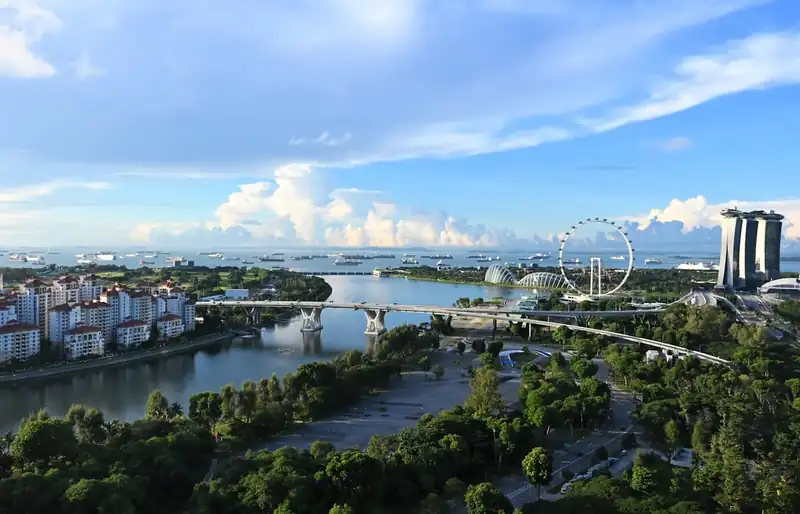
Singapore: "City in Nature"
A state landscape replacement policy: a developer must return to the building an amount of greenery equivalent to the land it occupies. The green standard is embedded in planning regulation rather than in a developer’s goodwill.
Seoul: the Cheonggyecheon river
Where an elevated highway was dismantled in the city centre, a culverted river was brought back to the surface — nearly 6 km of public space. The riverside is noticeably cooler than the neighbouring streets, and birds and fish have returned.
Milan: Bosco Verticale
Two residential towers with hundreds of trees and thousands of plants on the balconies. The project demonstrated both the potential of a vertical forest and its price: such a system requires constant professional maintenance.
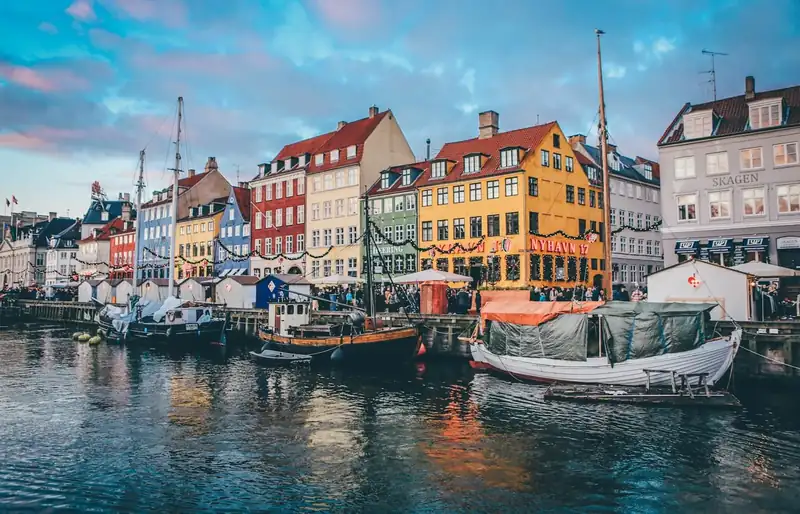
Copenhagen: cloudburst plans
After the devastating downpour of 2011 the city shifted to blue-green infrastructure: streets that act as channels, parks that act as reservoirs, squares that become basins during a flood.
The Biophilic Cities network
An international partnership of cities that maintain open nature metrics — canopy cover, park accessibility, biodiversity. It is precisely open reporting that separates a working programme from a declaration.
The link to open planning
Green infrastructure is an almost ideal proving ground for open planning. Its results are physically measurable, confirmed by independent data sources, and directly relevant to every resident. Here is how the planning system works in this domain:
Goals are set democratically: residents of a neighbourhood vote on canopy share, tree count and priority — shade, water or a playground. The centre sets only a minimum frame and limits.
Indicators are verified independently: canopy cover is measured from satellite imagery, temperature and air quality from a sensor network — not from a contractor’s report.
Payment is tied to survival: a smart contract for planting releases the bulk of the payment not for the act of planting but for living trees two or three years later. This removes the central pathology of urban greening — "planted and forgotten".
The registry is open: every tree, its species, planting date, contractor and status are publicly visible. A citizen can check a specific courtyard without requesting documents.
Risks and honest caveats
Biophilic urbanism is not a problem-free solution, and glossing over its costs leads to the same errors as technological optimism in digital planning.
Green gentrification
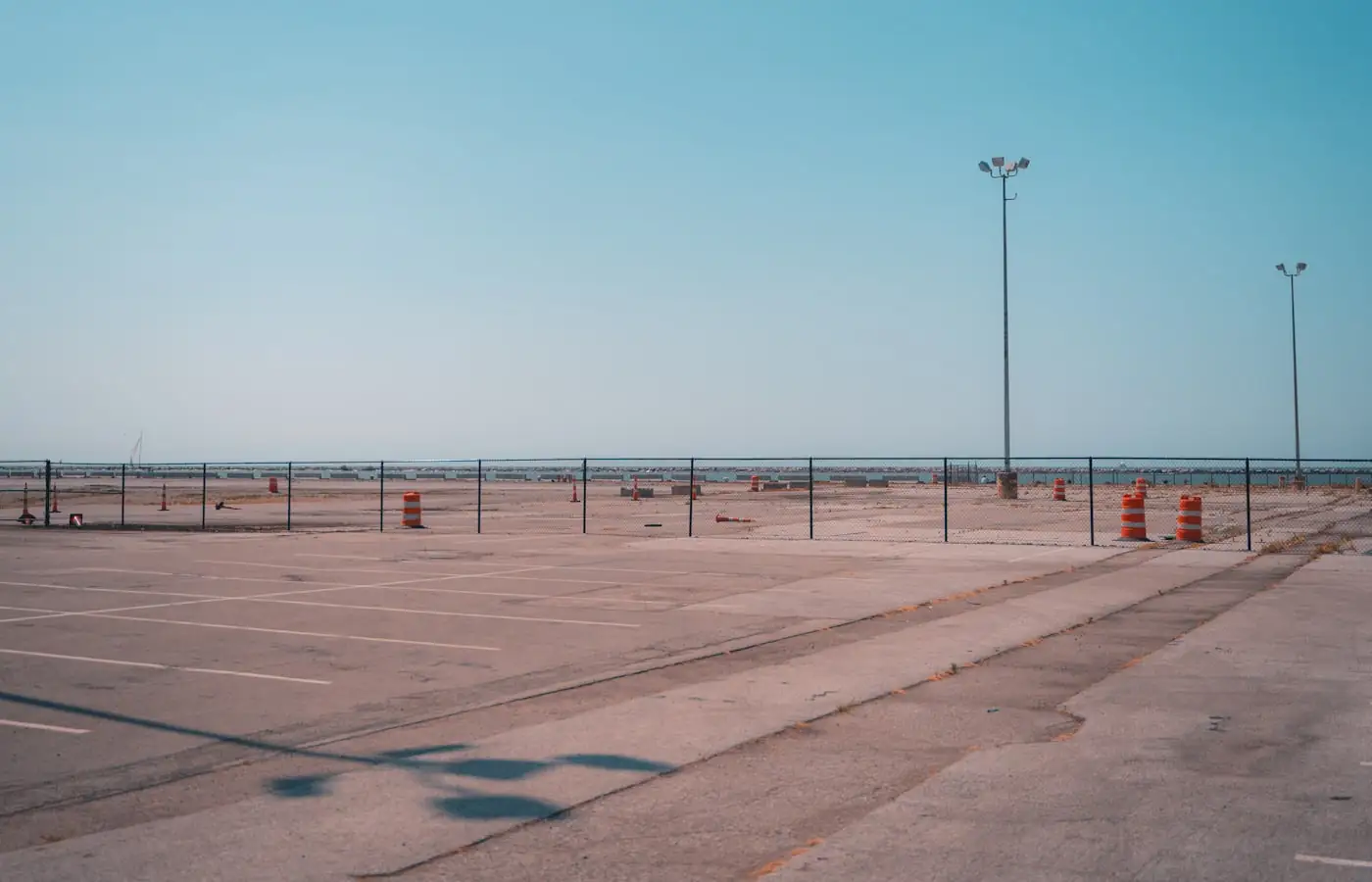
A well-landscaped green district becomes expensive, and existing residents are displaced by those who can pay more. Without housing policy, greening works as a mechanism of displacement.
Greenwashing
Renderings with trees on facades are used to get approval for projects that in reality contain neither greenery nor any provision to maintain it. Hence the demand for verifiable indicators instead of renderings.
Maintenance costs
A green roof, a vertical forest and a daylighted river require irrigation, pruning and specialists for decades. A project without a built-in operating budget turns into a ruin within a few years.
Gaming the indicators
An indicator like "number of trees planted" instantly produces mass plantings of cheap saplings that do not survive. Only a living-canopy metric with deferred verification actually works.
Conclusion
A biophilic city is not a city with more flower beds but a city in which natural systems are part of the engineering calculation and have their own budget, indicators and responsible parties. This approach requires planning precisely because a connected green network cannot be built through one-off projects, and the market on its own does not produce public goods that cannot be charged for per user.
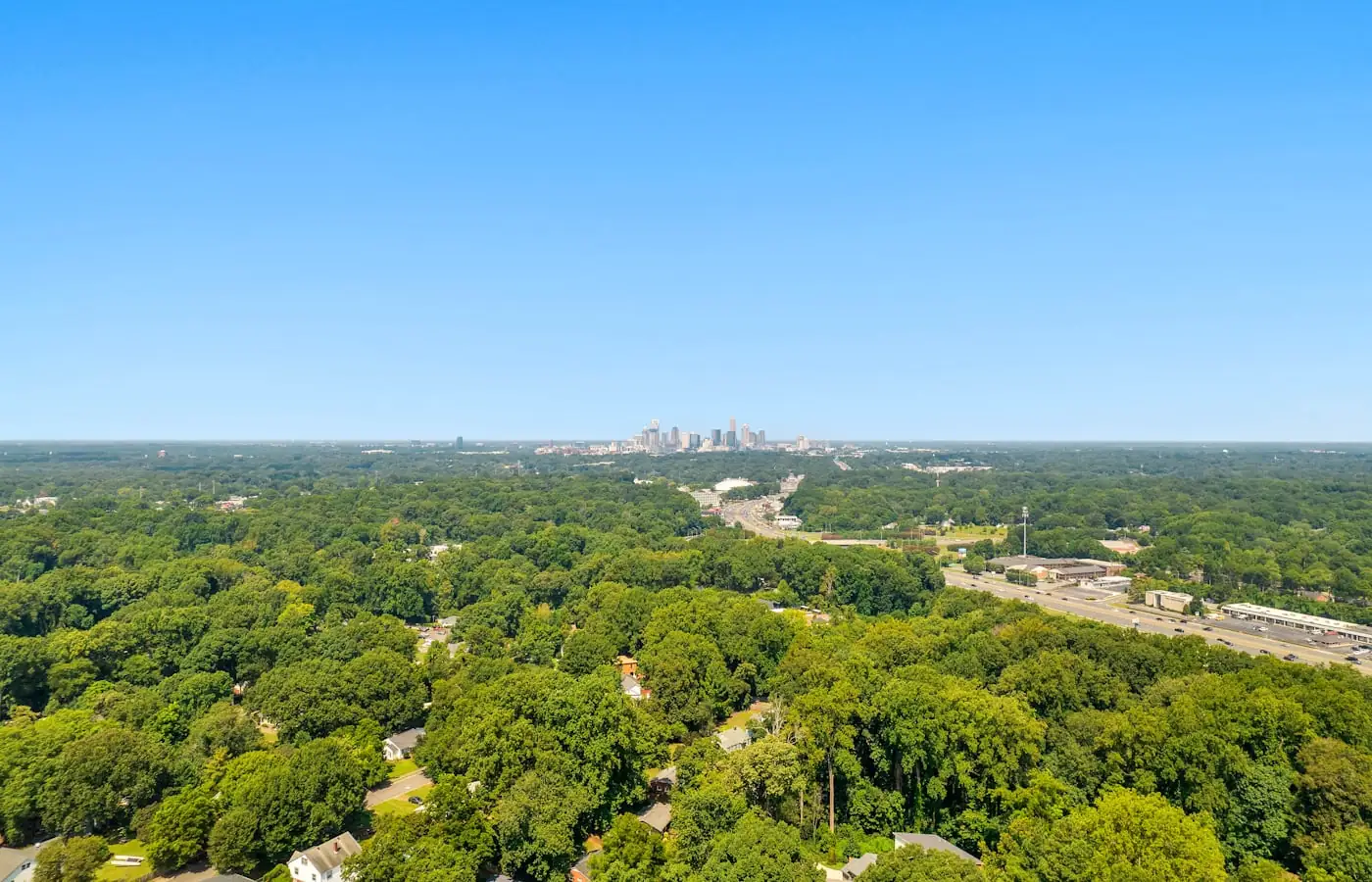
Shade, clean air and a living river are public goods that cannot be sold by the unit. That is exactly why they require a plan — and the transparency of that plan is the only protection against greening that exists only on paper.
A dedicated biophilic cities project
The topic is being developed on a separate site — with detailed cases, standards and calculations.