
BLOCKCHAINMARKETPLACESWITHROLEMODEL
Why they represent the future of planning and governance: combining strategic goals of "gosplan" with market coordination through on-chain resource and contract marketplaces
Main Idea
Combine strategic goals of "gosplan" (frameworks, priorities, limits) with market coordination "on the ground" — through on-chain resource and contract marketplaces. Participant roles and rights are embedded in smart contracts, data is confirmed by oracles/telemetry, and payments are tied to KPIs. Result — less bureaucracy, more transparency and fast feedback.
1.WHATEXACTLYBREAKSCLASSICALGOSPLAN
Where the classic model fails
- • No price signals → chronic shortages and surpluses
- • Distorted incentives (“output at any cost”) → quality suffers
- • Slow, opaque reporting → padded figures and late corrections
- • The centre drowns in data → decisions arrive too late
The blockchain answer, with roles
- • Quota marketplace: tokenised quotas allocated by auction
- • Contract marketplace: NFT work orders with KPIs and a deposit
- • KPI escrow: automatic payment against results
- • Oracles and IoT: facts confirmed by telemetry
- • Rolling amendments: updates through on-chain governance
2.ROLESANDRIGHTS(WHODOESWHAT)
Strategic centre (ministry or DAO)
Publishes targets and limits, issues quotas, amends the rules by vote
Sector regulators
Set auction parameters, KPIs and the control of quality metrics
Public buyers and municipalities
Post work orders as NFTs and accept the delivered result
Contractors and suppliers
Compete on the marketplaces, deliver the work, receive payment
Oracles and auditors
Confirm facts and quality, and are liable through their stake
Citizens and non-profits
See public KPIs and budgets without commercial secrecy
3.WHYITWORKS:KEYADVANTAGES
Transparency and traceability
Order status, quota movement and acceptance criteria sit in an open register. Reports become harder to invent.
Incentives towards quality rather than tonnage
Vector KPIs, a quality threshold and deferred payment reduce the gaming of metrics.
Fast feedback
Telemetry and oracles deliver data almost in real time, which makes correcting the plan easier.
Plan and market combined
The centre sets the frame while allocation happens through market auctions — fewer shortages.
Bureaucracy automated
Smart contracts absorb the routine: milestones, penalties, indexation, budget limits.
4.MODERNCASES
Food traceability — Walmart and IBM Food Trust
Tracing a consignment of mangoes back to its origin took almost seven days; on a shared ledger it took 2.2 seconds. Traceability has since stopped being voluntary: the FDA’s additional recordkeeping rule for certain foods (FSMA 204) makes it mandatory, with the compliance date moved to 20 July 2028.

Electronic transferable records — TradeTrust (Singapore)
The UNCITRAL Model Law on Electronic Transferable Records entered Singapore law in 2021. In 2026 four TradeTrust-compatible platforms were approved by the IG P&I mutual insurance clubs: an electronic bill of lading now carries the same legal standing as paper in insured maritime trade. A programme testing interoperability between platforms and carriers, running to March 2027, was launched at the same time.

Electricity and grid balance — Energy Web
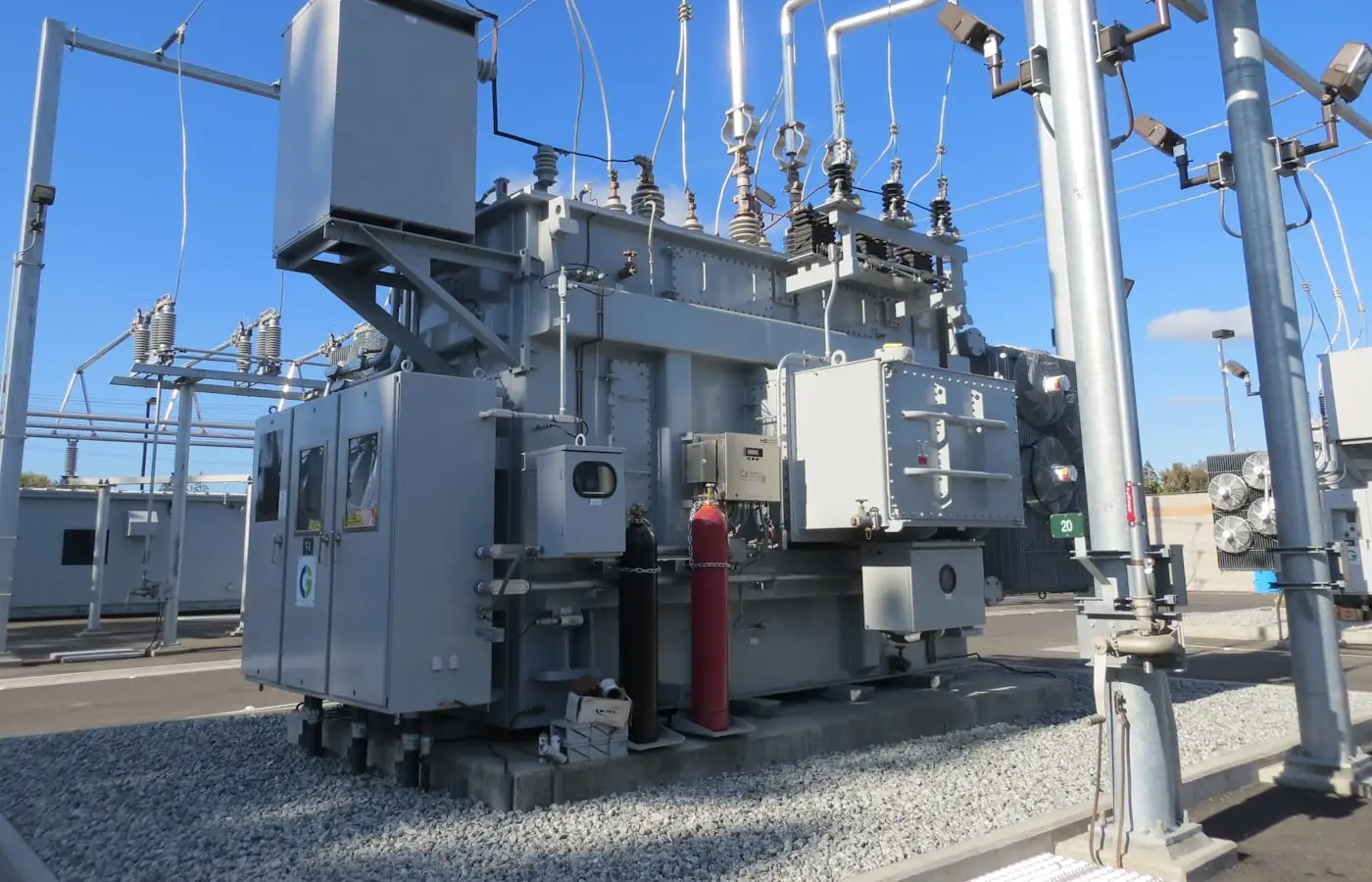
A non-profit whose members include grid operators and utilities; an open stack for identifying distributed energy assets and letting them take part in a market. The subject here is not reporting but the ability to connect somebody else’s asset to a flexibility market without manual reconciliation.
Notarising public data — the Chilean regulator
The National Energy Commission publishes open data anchored to a public blockchain: the dataset itself stays in an ordinary system, while the ledger holds a fingerprint that proves the data was not altered after the fact. A cheap, narrow use — exactly what a blockchain is good at.
5.HOWTOBUILDAWORKINGSYSTEM
Technical architecture
- • Network: a permissioned ledger for operations, anchored to a public chain for non-repudiation
- • Contracts: PlanRegistry, QuotaToken, WorkOrder NFT
- • Data: ERP, SCADA and IoT → OracleHub
Governance
- • Privacy: ZK proofs for commercial secrets
- • Governance: sector DAOs with a timelock
- • Security: staking and slashing for false data
6.WHATTHISGIVESYOU,ANDWHATITDOESNOT
Gives you: small decisions delegated
Millions of line items cannot be reconciled by hand. The protocols let small decisions go to the market while the centre keeps the frame.
Gives you: one checkable version of the fact
A shared ledger is cheaper than endless reconciliation between parties. The cases above show that on specific operations rather than in the abstract.
Does not give you: truth at the point of entry
A ledger protects a record from being rewritten afterwards and says nothing about whether it was true when it was written. That is a separate problem, and not a technical one.
Does not give you: a substitute for an institution
A smart contract executes a condition. Who is liable in a failure, on what authority the registry operator acts, how on-chain acceptance maps onto budget accounting — code answers none of these.
Hence the frame: marketplaces belong where the subject is standardised and the fact is measurable by instrument — quotas, work orders, logistics, energy. End-to-end on-chain accounting at national scale falls outside that frame and remains an unsolved problem.
The weaknesses and risks in full