GOSPLAN:USSRVSBLOCKCHAIN2.0

Detailed comparative analysis of USSR centralized planning and modern blockchain technologies. From five-year plans to smart contracts: research of economic management evolution and history lessons for digital economy.

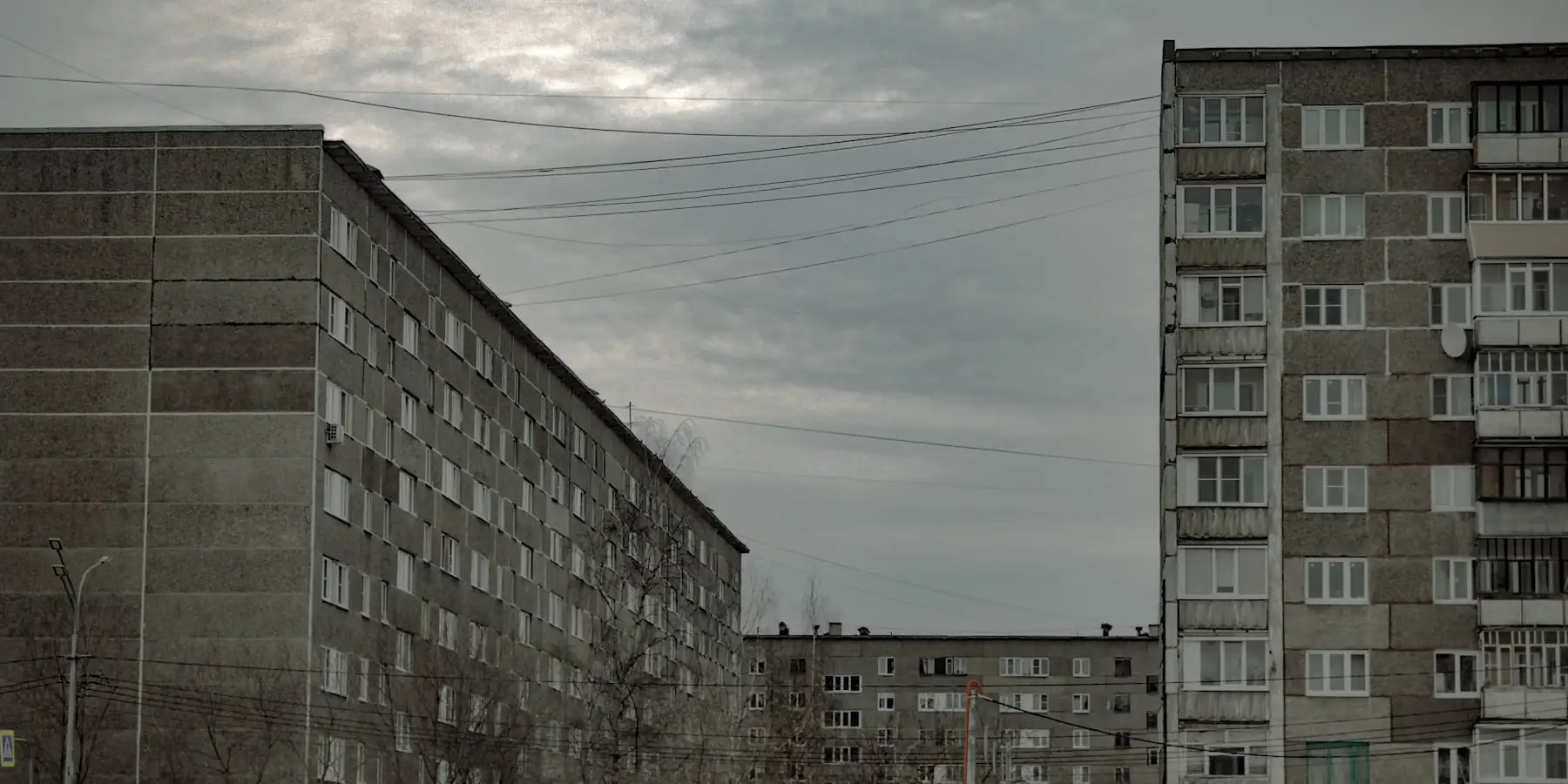
Soviet-era prefabricated housing blocks

Mass housing of the Soviet period — the physical result of planning in five-year cycles. Photo: Unsplash

COMPARISONOFECONOMICPLANNINGMODELS

Analysis of two radically different approaches to economic planning: USSR centralized model and prospective blockchain resource management system.

USSR (classical Gosplan)

  • Centralisation of goals and resources. Five-year plans, directive targets for smelting, tonnage, gross output
  • Material-balance planning. Consolidated balances of “what / how much / where to”
  • Signals from above instead of market prices. Shortages and surpluses were discovered after the fact
  • Paper reporting, slow feedback. Padded figures and end-of-period rushes
  • Distorted incentives. Meeting the plan on one indicator degraded quality
  • Limited flexibility. The plan changed slowly in crises and breakdowns
  • Innovation under pressure. Anything new was a risk to the plan

Gosplan + blockchain (2.0)

  • Open goals and KPIs on chain. National and sectoral plans are published as a set of KPIs
  • Smart contracts for delivery. Stage completed → automatic payment; breached → penalty
  • Tokenised resources. Quotas for raw materials and capacity as transferable tokens
  • Oracles and IoT telemetry. Sensors and ERP systems feed actual data on chain
  • Data is transparent by default, with privacy preserved through ZK proofs
  • Rolling planning. Monthly and quarterly recalculation against the actuals
  • Multi-level governance. A strategic centre → sectoral DAOs → regional DAOs

GOSPLANOFTHEUSSR:AHISTORICALANALYSISANDITSLESSONS

A comprehensive study of central planning in the Soviet Union: from the forced industrialisation of the 1930s to the systemic stagnation of the 1980s. An analysis of the institutions, achievements and limits of the planned economy as a basis for understanding what modern systems of governance can and cannot do.

HISTORICAL BACKGROUND AND THE STRATEGIC GOALS OF THE USSR

Central planning in the USSR emerged as an answer to the need for the forced modernisation of an agrarian country under international isolation and military threat.

A steelworks with chimneys and a cooling tower
Heavy industry is what the planning system was built for: concentrating resources on a handful of sectors at once. Photo: Unsplash
1920s-1930s • INDUSTRIALIZATION

FORCED INDUSTRIALISATION

Closing the technological gap with the leading powers. Mobilising resources for large infrastructure projects.

DEFENSE • PREPARATION

DEFENCE CAPABILITY

Building a powerful military-industrial complex amid mounting international threats.

R&D • BREAKTHROUGH

SCIENTIFIC AND TECHNICAL PROJECTS

Concentrating resources on breakthrough areas: the atomic project, the space programme, heavy machinery.

HOW IT ACTUALLY WORKED: THE MATERIAL BALANCE METHOD

Gosplan did not set prices or hand out goods directly. Its instrument was the material balance: for each item on the books, sources — output, opening stock, imports — were made equal to uses: production needs, consumption, exports, closing stock. If a balance did not close, the target was amended and sent back down; the cycle repeated between Gosplan, the branch ministries and Gossnab until all of them closed.

The scale of that work is worth stating precisely. In 1973 Gosplan drew up balances for 1,943 of the most important items — enough to cover the supply of roughly 70 % of industrial output. Everything else was unfolded below: the ministries and Gossnab broke the aggregated limits down into specific products. The nomenclature of the actual economy, meanwhile, ran into millions of items.

That is where the failure comes from. It is not that the sums were done badly: between an aggregated line in a balance and a specific product on a shelf there was always a gap, and it was closed by hand — by supply agents’ arrangements, by fixers, by informal swaps between enterprises. The error surfaced not in the calculation but on the ground, months later.

SYSTEMIC LIMITS AND COSTS OF THE PLANNED ECONOMY

Despite impressive achievements in mobilising resources, the Soviet planning system ran into fundamental problems that eventually forced its transformation.

Archive boxes with handwritten labels on metal shelving
The paper accounting loop. Weeks passed between an event on the shop floor and a figure in the summary — long enough for plan and fact to drift apart. Photo: Unsplash
INFORMATION • OVERLOAD

INFORMATION OVERLOAD AT THE CENTRE

Millions of product lines cannot be reconciled by hand with any accuracy; planning errors accumulated.

PRICES • SIGNALS

NO PRICE SIGNALS

Administrative prices reflected the scarcity of resources and consumer preferences poorly.

INCENTIVES • DISTORTED

DISTORTED INCENTIVES

Chasing gross output produced goods nobody wanted, worse quality and end-of-period rushes.

FEEDBACK • DELAYED

SLOW FEEDBACK

Paper reporting, padded figures and late corrections led to shortages and unstable fixes.

INNOVATION • INERTIA

INNOVATION INERTIA

Novelty raised the risk of missing the plan; an enterprise preferred stability to experiment.

AGRICULTURE • PROBLEMS

PROBLEMS IN AGRICULTURE

The kolkhoz and sovkhoz system suffered from weak incentives and inadequate procurement prices.

COMECON • TRADE

FOREIGN ECONOMIC TIES (COMECON)

Settlement in the “transferable rouble” at administrative parities weakened the orientation towards world efficiency.

EXTENSIVE • MODEL

THE EXTENSIVE MODEL RAN OUT

By the 1980s it had hit a ceiling: efficiency had to grow, but the institutional incentives never appeared.

THE CALCULATION DEBATE AND THREE ATTEMPTS TO SETTLE IT

Whether an economy can be calculated without a market was asked long before computers: Ludwig von Mises put the question in 1920, Friedrich Hayek developed it through the 1930s and 1940s, and Oskar Lange replied that prices could be computed iteratively. In the USSR the argument was pursued not in journals but in practice — three times.

1939 • KANTOROVICH

LINEAR PROGRAMMING

Leonid Kantorovich set out the mathematics of optimal resource allocation in 1939 and received the Nobel Memorial Prize in Economics for it in 1975. The method worked, but it required “objectively determined valuations” — shadow prices in all but name — and admitting price as an instrument of planning stayed ideologically unacceptable for a long time.

1962 • OGAS

OGAS: A NETWORK INSTEAD OF PAPER

From 1962 Viktor Glushkov pressed for the All-State Automated System — a network of computing centres that would close the balances close to real time. The project was developed for more than a decade and was never implemented nationally: it demanded a transparency of data that would have devalued the ministries’ own bureaucratic capital.

1965 • REFORM

THE 1965 REFORM

The Kosygin reform added profit and profitability to the assessment indicators and widened enterprise cost accounting — an attempt to restore a signal through the result rather than through volume. By the early 1970s it had been wound back: enterprise autonomy sat badly with plan targets that remained compulsory.

What the three attempts have in common is that the technical answer ran into the structure of power, not into a shortage of computing capacity. That is the lesson of the Soviet experience that carries over to the present day without strain. “Is there enough power to do the sums” is not the question the fate of planning turns on.

LESSONS FOR MODERN ECONOMIC GOVERNANCE

SIGNALS • INCENTIVES

SIGNALS AND INCENTIVES

Reporting cannot replace signals and incentives. Even a perfect summary, without a “price of scarcity”, leads to structural errors.

MANAGEMENT • MULTILEVEL

MULTI-LEVEL GOVERNANCE

The more complex the economy, the more decentralised decision-making and fast feedback matter.

QUALITY • PRIORITY

QUALITY > GROSS OUTPUT

Metrics must measure the outcome for the consumer — quality, deadline, reliability — not tonnage.

DIGITALIZATION • TOOL

DIGITALISATION IS A MEANS

Information platforms help only if they are built into the right incentives and correction procedures.

ABLOCKCHAINMODELOFECONOMICPLANNING2.0

A conceptual model of modern economic planning built on blockchain technology: the centre sets the strategic goals, while delivery, accounting and control are automated by smart contracts, with full transparency and cryptographically protected data.

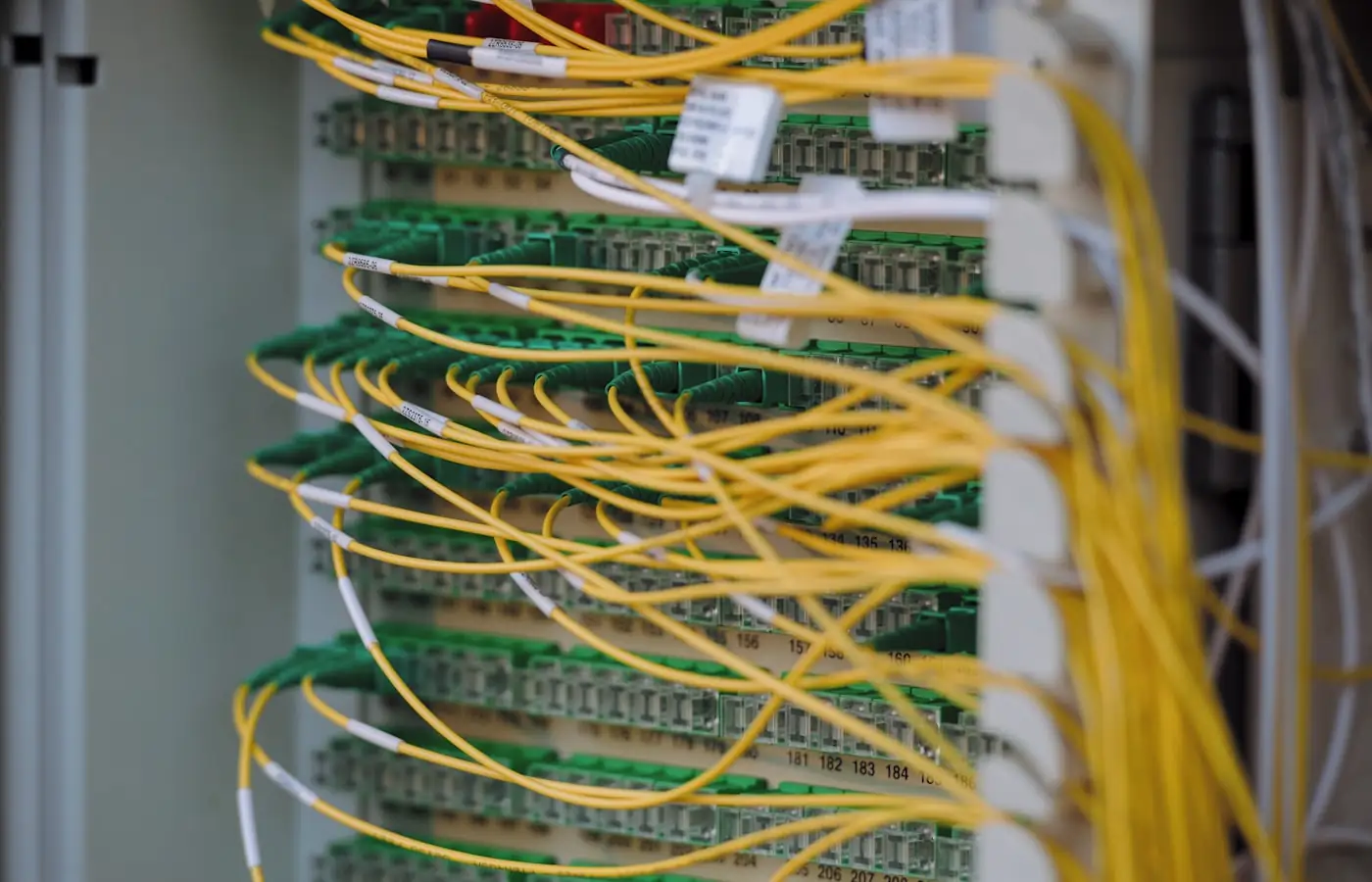
A patch panel with fibre-optic patch cords
The task has not changed — reconcile fact with plan. What changed is the speed of the channel between them. Photo: Unsplash
BLOCKCHAIN • TRANSPARENCY

OPEN GOALS AND KPIs ON CHAIN

National and sectoral plans are published as a set of KPIs with deadlines (energy, healthcare, transport, digitalisation).

SMART CONTRACTS • EXECUTION

SMART CONTRACTS FOR DELIVERY

A plant or a region receives quotas and budgets. Stage completed → automatic payment; breached → penalty or rebalancing.

TOKENIZATION • RESOURCES

TOKENISED RESOURCES

Quotas for raw materials, capacity and emissions become transferable tokens with caps and market clearing inside the limits of the plan.

ORACLES • IOT DATA

ORACLES AND IoT TELEMETRY

Sensors and ERP systems feed actual data on chain, through oracles and trusted execution environments.

PRIVACY • ZK PROOFS

TRANSPARENCY WITH PRIVACY

KPIs are public, while commercial secrets are handled through ZK proofs and commitments.

ROLLING • PLANNING

ROLLING PLANNING

Not a five-year plan on paper, but a monthly or quarterly recalculation against the actuals.

GOVERNANCE • DAO STRUCTURE

MULTI-LEVEL GOVERNANCE

A strategic centre → sectoral DAOs → regional and corporate DAOs. Appeals and arbitration run as on-chain procedures.

ADETAILEDCOMPARISONOFTHESYSTEMS

A systematic comparison of the key parameters of the two planning models — by efficiency, transparency, adaptability and risk management.

Criterion

Soviet Gosplan

Gosplan 2.0 (blockchain)

Plan formation
Centralised, the “five-year plans”
Centralised by objective, but recalculated on a rolling basis
Data and reporting
Paper and manual entry, delays
On-chain ledger, oracles and IoT, closer to real time
Verifiability
Low; padded figures were possible
Cryptographic traceability, ZK for privacy
Resource allocation
Administrative allocation
Tokenised quotas plus auctions within the set limits
Demand and price signals
Barely taken into account
Built in through market mechanisms inside smart contracts
Incentives for producers
“Close the plan” by gross output
Payment for KPIs actually met (quality / deadline / availability)
Flexibility
Low
Medium to high (rolling plan, automatic rebalancing)
Innovation
A risk to the plan
Pilots and grants as on-chain programmes, with outcome metrics
Corruption and abuse
A systemic risk
Reduced by the audit trail, but oracle and capture risks remain
Cost of coordination
High (bureaucracy)
Lower thanks to automation and common protocols